The Joy of Jesus Bible
The Husband Who Bought His Wife Back
Hosea 1-3 · brokenness rescue
More than a hundred years before Jeremiah, when the northern kingdom of Israel was rich and busy and hardly thought about God at all, a prophet named Hosea got the strangest job a prophet ever had.
"Go and marry a wife who will not stay faithful to you," the LORD told him, "because my people have not stayed faithful to me."
So Hosea married a woman named Gomer. When people marry, they promise to be faithful, which means being each other's husband and wife and no one else's. Hosea kept that promise. They had a son, then a daughter, then another son, and God gave each child a name that was a message for Israel. The girl was called Not Loved. The younger boy was called Not My People. (Every time Hosea called his children in for supper, the whole street heard God's warning.)
Then Gomer broke her promise to be Hosea's wife and no one else's. She went off with other men.
God said his people were running off the very same way. "She says, 'I will go after the ones who love me! They give me my bread and my water, my wool and my linen, my oil and my wine.'"
Every crumb had really come from God, but Israel was thanking a made-up god called Baal for the grain and the grapes the LORD had grown.
So God made a plan for his runaway people. "I will block her road with thornbushes, so she cannot find the others. Then she will say, 'I will go back to my first husband. I was better off with him.' And I will lead her out into the wilderness and speak tenderly to her. She will call me 'my husband.' I will make her mine forever."
Then the LORD said to Hosea, "Go again. Love your wife, even though she has loved another man. Love her the way I love my people, though they run to other gods and love their raisin cakes."
(Raisin cakes were sweet treats eaten at feasts for those pretend gods. God's people had traded the One who made the grapes for a snack.)
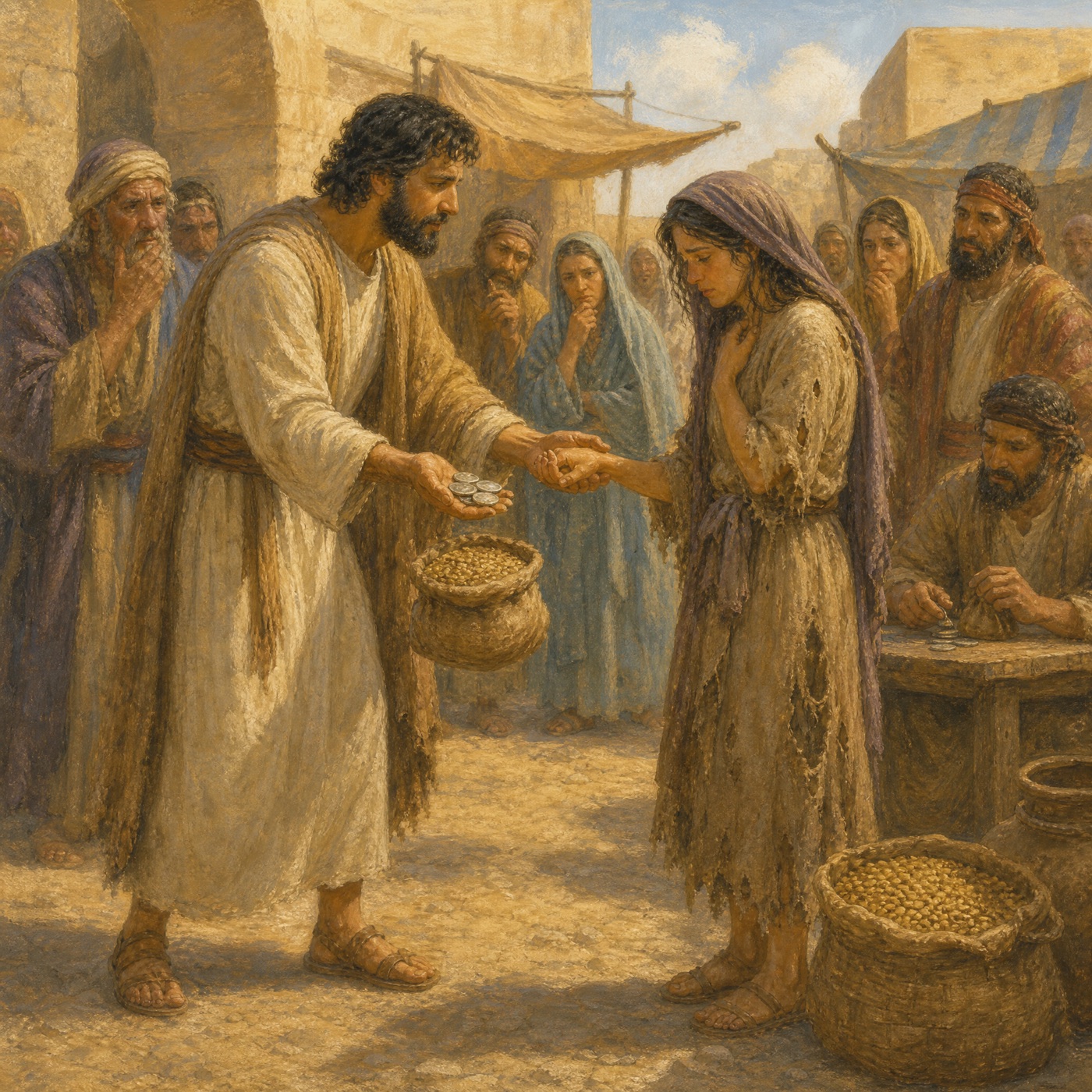
By then Gomer belonged to someone else, and to bring her home, Hosea had to pay. He counted out fifteen pieces of silver and added a load and a half of barley, about what a donkey and a half could carry.
He took her home. "You will live with me for many days," Hosea told her. "You will not go off with any other man, and I will be faithful to you."
That was how God would bring Israel back. "I will say to Not My People, 'You are my people,'" God promised, "and they will say, 'You are my God.' And to the one I called Not Loved, I will show my love."
Hosea's silver brought back one wife, in one town. It could not make a heart stay true, and it could not bring a whole runaway nation home. Within Hosea's lifetime, the Assyrian army marched in and carried the northern kingdom away.
For more than seven hundred years, the name Not My People stayed written on Hosea's scroll, waiting for someone to cross it out.
Then another bridegroom came looking for his bride. He ate supper with cheats and runaways, and when people grumbled that his friends feasted instead of fasting, he said, "How can the wedding guests be sad while the bridegroom is with them?" He did not pay with silver or barley. He paid with his own life on a cross, and on the third day he rose.
His name is Jesus, and he calls the people once named Not My People his own.
···